Chemical Composition of Extra Virgin Olive Oil: Triglycerides and Saponifiables
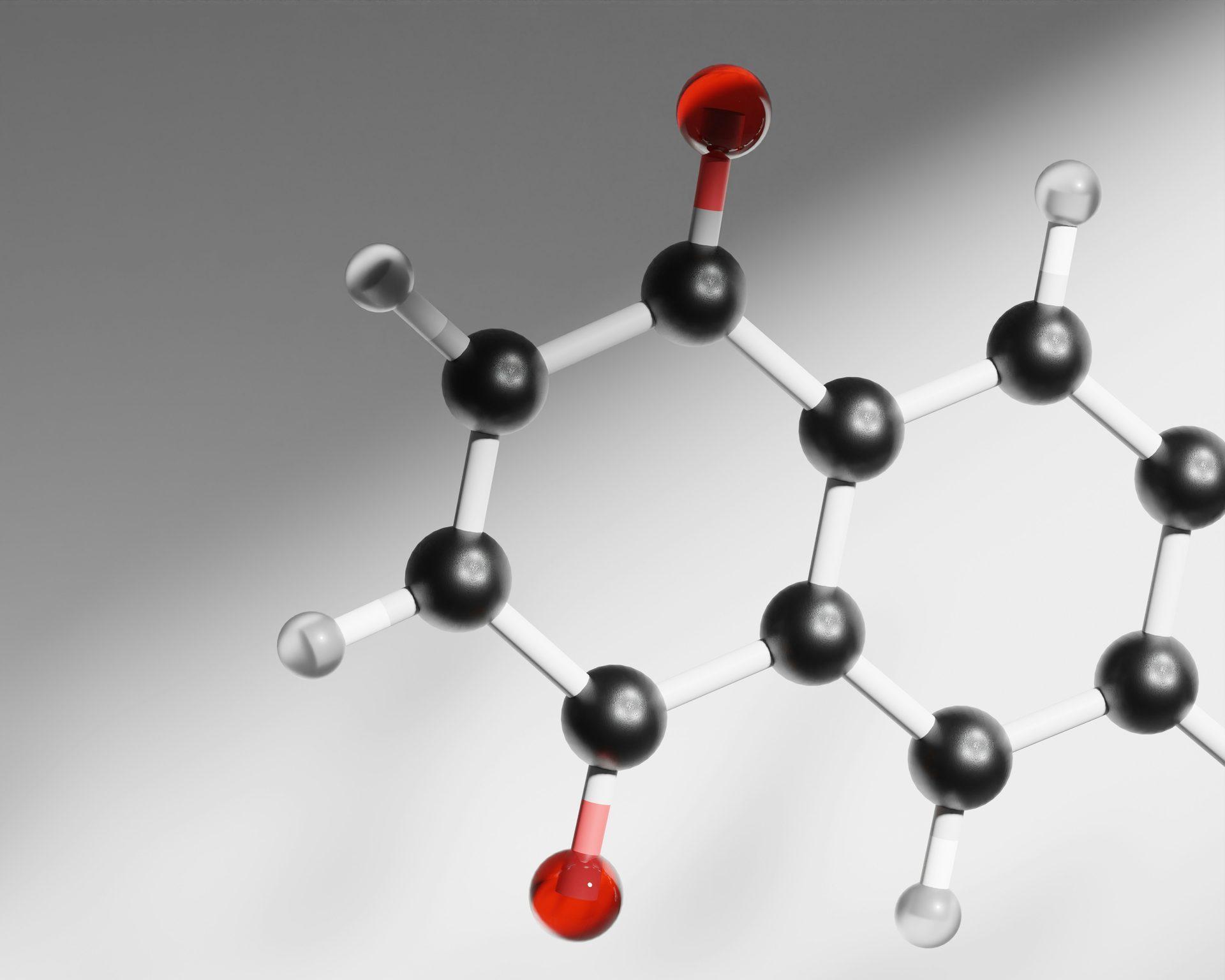
A molecular journey inside liquid gold: discover what makes EVOO a masterpiece of natural chemistry.
Dipartimento Qualità ·
Read Viewing articles in the category: Olive Oil Chemistry
A molecular journey inside liquid gold: discover what makes EVOO a masterpiece of natural chemistry.
Discover the chemistry behind high-quality EVOO. Learn how oleocanthal, oleuropein, and hydroxytyrosol protect your body and define taste.
Discover the building blocks of olive oil. Learn how the ratios of oleic, linoleic, and palmitic acids dictate stability, frying resistance, and taste.
Discover what the peroxide value measures, how oxidation starts in the olive, and why low peroxide values are critical for fresh EVOO.
UV spectrophotometric indicators are crucial for detecting old or adulterated oil. Understand K232, K270, and Delta-K values.
Malaxation is the most critical step in milling. Discover how temperature and time dictate the final polyphenol and aroma profiles of EVOO.
Filtration is not just about appearance. It removes suspended water and active enzymes, dramatically improving the oil's shelf-life.
Nuclear Magnetic Resonance is today one of the most powerful tools for EVOO authentication. ¹H-NMR and ¹³C-NMR reveal fatty acid composition, adulterants, and geographic origin.
What lies behind acronyms like GC-MS and LC-MS? Let's discover, in simple words, how science analyzes olive oil molecules to guarantee aromas, health benefits, and authenticity.
ISO 660, 3960, 3961, 5509, 27107: the official methods for olive oil analysis explained in detail, including chemical principles, procedures, and legal limits.
People often confuse the burning sensation in the throat with acidity. Let's discover what acidity really is and how it is measured.
Let's learn how to read the lab report for extra virgin olive oil and what peroxide and polyphenol values really mean.