1What is the winey-vinegary defect?
If an olive oil reminds you of "spoiled" wine or vinegar, it is not a curious nuance: it is almost always a defect. The winey-vinegary note arises when olives, before being milled, enter a fermentation phase. At that moment, the fruit loses its cleanliness and the oil stops smelling green and fresh, turning in a "winey-acidic" direction that should never appear in an extra virgin olive oil.
It is a frustrating defect because it covers everything: it dulls the fruitiness and leaves a sharp, unharmonious sensation that is felt even on a simple dish.
2Why does it happen?
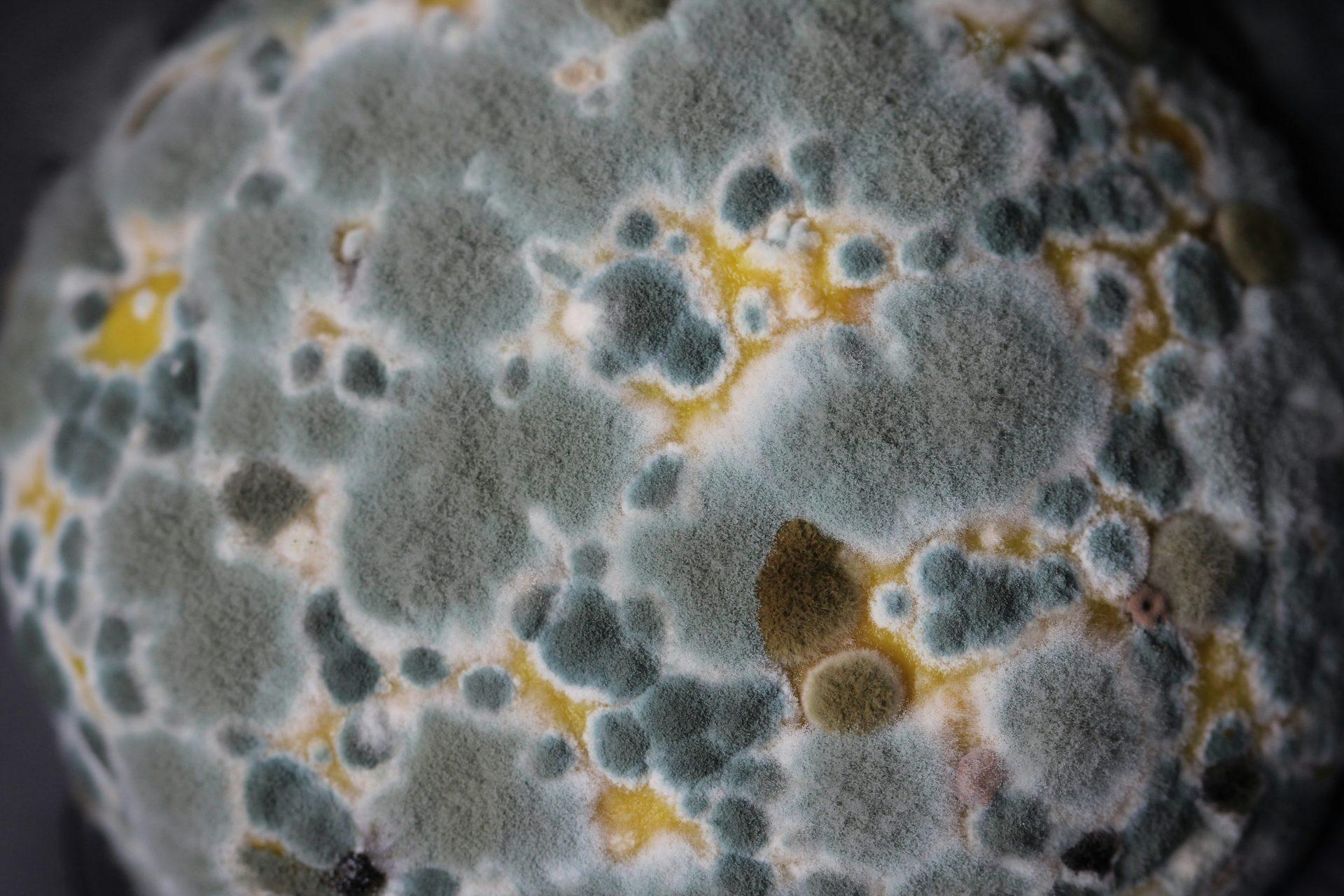
Usually, it occurs due to a very specific combination of factors: time and olive management. The olives are harvested but then left sitting for too long before milling. If they are kept in a warm environment, if they are piled up, if they cannot "breathe," or if the batch is already stressed (damaged, insect-bitten, or overripe olives), microorganisms find the perfect environment to multiply.
It is one of those situations where very little is needed to change the result: you might not notice it by eye, but the oil tells you immediately on the nose.
3The chemical mechanism
When fermentations start, specific volatile compounds typical of that environment increase: "alcoholic" and "acetic" components (such as ethanol and acetic acid) and, often, ethyl acetate, which is responsible for that sharp, slightly "fermented" sensation that recalls wine or vinegar.
You do not need to remember the names: the important thing is that these compounds shift the aroma to a register foreign to EVOO. It is as if the oil stopped speaking of fresh olives and started speaking of uncontrolled transformations.
4How to recognize it
By smell
Here, it is usually quite clear: you get notes of wine vinegar, oxidized wine, or fruit that has started to ferment. Sometimes it can also have a "cellar" impression, but the difference is that the winey defect is more acidic and sharp, less "damp."
A healthy oil, even an intense one, tends to give you green signals (grass, artichoke, tomato, fresh almond). The winey defect, on the other hand, seems to "go off track" and lead you to aromas you do not expect from an extra virgin.
In the mouth
In the mouth, the winey defect is not the elegant spiciness of polyphenols. The good spiciness is clean, lively, felt in the throat, and accompanies a present fruitiness. The winey defect, on the other hand, gives a more "unbalanced" sensation: sharp, winey, sometimes almost slightly solvent-like, and above all, it lacks that vegetable freshness.
A simple test at home
If you have a doubt, try pouring a drizzle of oil into a small glass and warm it for a few seconds in your hands. Then smell it with small breaths: if the vinegar/wine note emerges clearly and "takes the stage," it is highly likely the winey defect.
5Prevention in the supply chain
This defect is almost always the result of the phase preceding the mill: long waiting times, olives kept in poorly ventilated conditions, compact piles that heat up internally, wrong containers (like closed plastic bags), or batches that are not perfectly healthy processed as if they were. Hygiene also matters: residues and dirt facilitate fermentation and amplify the problem.
In short, it is the classic defect that tells you: "the work here was not done fast enough and clean enough."
Want a clean EVOO, free of fermentation notes?
Quality comes from healthy olives and rapid processing: that is where everything is decided.
Discover the oils in our shop →- 1.International Olive Council (IOC/COI) — Specific vocabulary for virgin olive oil (negative attributes)
Vocabolario ufficiale COI con definizioni dei difetti sensoriali (incluso winey-vinegary / avvinato-inacetito).
- 2.Regulation (EU) 2022/2104 — Marketing standards for olive oil (EUR-Lex PDF)
Quadro UE degli standard di commercializzazione (inclusi riferimenti a requisiti e controlli).
- 3.Morales et al. (2000) — Sensory and chemical evaluation of winey-vinegary defect (Springer)
Studio su correlazioni tra difetto avvinato e composti volatili come acido acetico ed etil acetato.