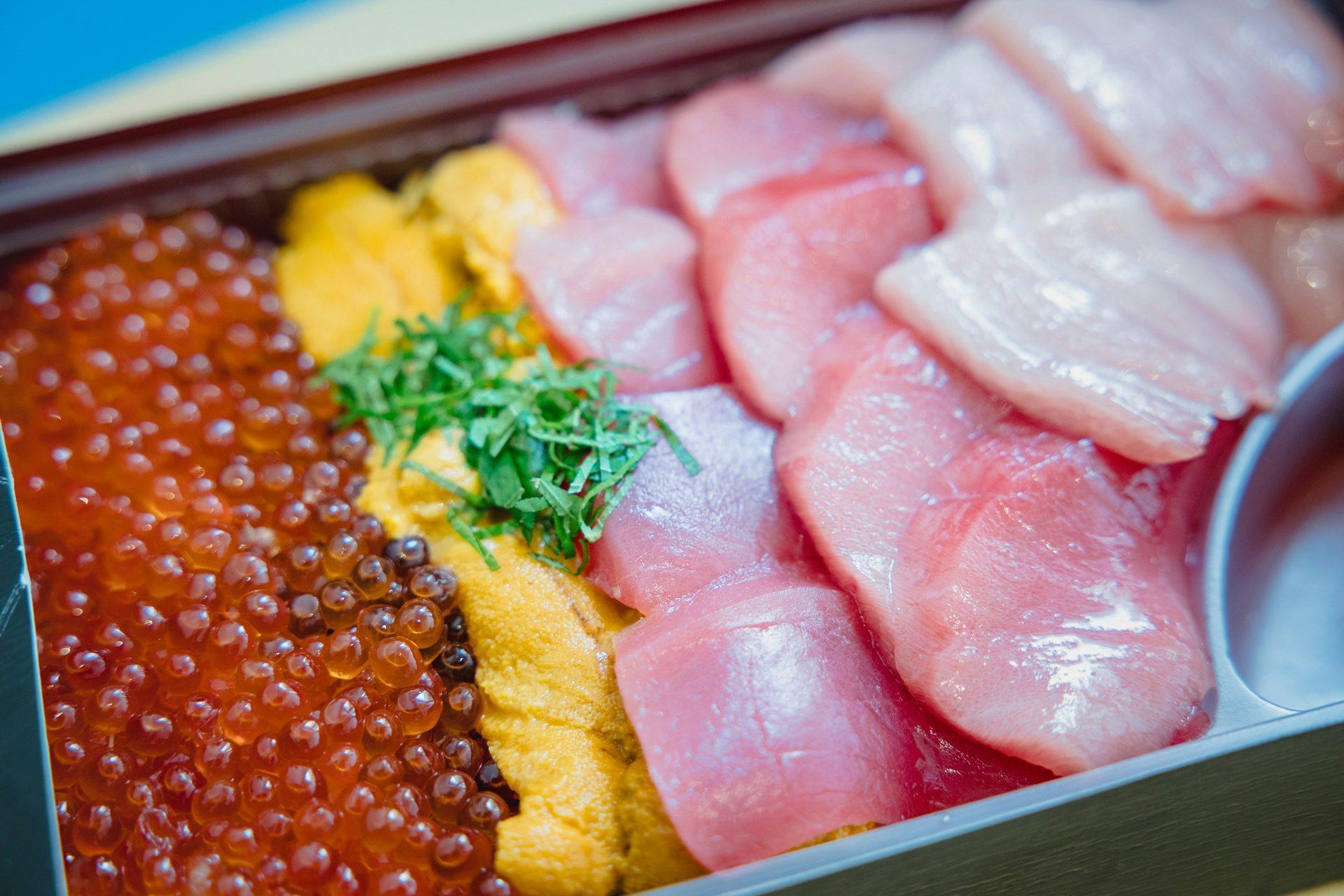
1Raw fish does not forgive
When serving a swordfish carpaccio, a tuna tartare, or a raw red shrimp platter, every single ingredient is in the foreground — there are no thick sauces or cooking processes to compensate. The oil is the protagonist alongside the fish.
The golden rule: the oil must not compete with the fish, it must expand it.
2The ideal profile
For raw fish, the optimal profile is light-medium fruity, with: - Notes of fresh almond or fruity notes (peach, apple) - Almost absent or very mild bitterness - Limited spiciness (it must not overpower the delicacy of the fish)
An intense fruity oil with decisive bitterness and spiciness will cover the iodized flavors of the sea — a classic beginner mistake.
3Specific pairings
- Swordfish or tuna carpaccio: light fruity, Maldon salt, a few drops of lemon. Nothing else.
- Red shrimp tartare: a drizzle of light fruity oil and grated lemon zest
- Amberjack crudo: delicate medium fruity + salt flakes + a few mint leaves
- Opened oyster (an unusual but magnificent pairing): a drop of light fruity oil enhances the marine sapidity
4The technique
- 1Pour the oil at the moment of serving — not before, or the pH of the fish will start to "cook" the protein (ceviche effect)
- 2Use a squeeze bottle or a spoon to dose precisely — do not be stingy, but do not drown it either
- 3A pinch of flaky salt (Maldon, Fleur de sel) amplifies everything
- 4Serve on a cold plate
Our light fruity olive oil — ideal for raw seafood
[Shop now](/shop)