1The contrast that works
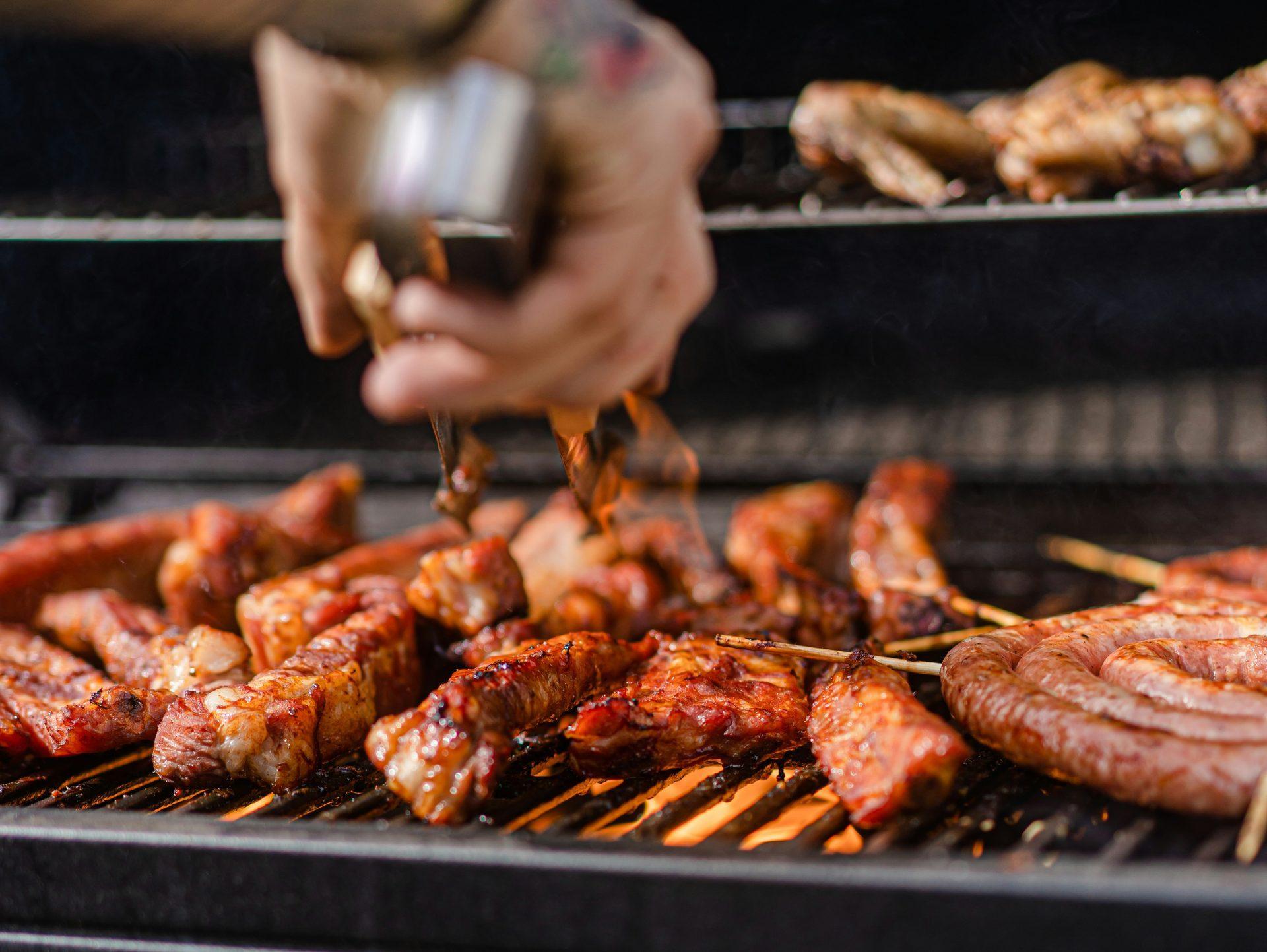
Grilled meat, especially red meat (Florentine T-bone steak, sliced beef tagliata, ribeye), has strong sensory characteristics: fatness, sapidity, char/smoky notes, and intense umami. A delicate oil would get completely lost.
You need an oil with character — and intense fruity is the perfect choice.
2Why intense fruity works on meat
The contrast between the meat's fat and the bitterness/spiciness of the intense fruity oil creates one of the most balanced combinations ever:
- The bitterness of the polyphenols "cleanses" the palate of the meat's fat
- The spiciness of the oleocanthal creates a pleasant contrast with the sapidity
- The green and herbaceous notes of the oil integrate with the smoky char notes
It is the principle of contrast: opposing flavors that amplify each other.
3How to use it
Olive oil on meat is always used raw, after cooking:
- 1Grill the meat to the desired level of doneness (for the Florentine steak: rare!)
- 2Remove from heat and let it rest for 2 minutes on the cutting board
- 3Slice (for large cuts of meat)
- 4Pour a generous drizzle of intense fruity oil onto the warm slices
- 5Top with coarse salt or Maldon salt
- 6Serve immediately
The residual warmth of the meat opens up the aromas of the oil without cooking it — the perfect moment.
4Other meat pairings
- Grilled lamb: intense fruity oil with herbal notes (rosemary, thyme in the oil)
- Veal liver: the oil's bitterness balances the iron-rich flavor of the liver
- Spit-roasted chicken: medium fruity — white meat cannot handle robust intense oil
Our robust fruity olive oil — the choice of the grill
[Order now](/shop)