1How and when to use Intense Fruity EVOO
If there is an olive oil that does not go unnoticed, it is the intense fruity. You understand it as soon as you pour it: a "green," alive aroma, almost like a vegetable garden. And when you taste it, you immediately notice two things that make it unique: a pleasant bitter note and a distinct peppery throat-kick. If you are not used to it, it can be surprising, but it is not a defect: it is its character.
The point is this: intense fruity is not a "difficult" oil, it is an oil that must be put in the right place. When you pair it well, it performs a simple magic: the dish seems more fragrant, fuller, more "real."
2What flavor to expect
Imagine aromas reminiscent of cut grass, artichoke, and green tomatoes. Then in the mouth comes the more decisive side: a bitterness that remains clean and a spiciness that lasts for a few seconds.
The useful thing to know is this: an intense fruity oil tends to be more energetic because it is often made from olives harvested early, when they are still green. Translated to the kitchen? It is an oil that does not want to stay in the background: it wants to give personality.
3When to use it (and why it works)
Intense fruity gives its best when it meets dishes that already have a savory or structured base. It is like a spice: it doesn't cover, it pulls out.
For example, on a bean soup: if you add it at the end, when the dish is ready, it immediately changes the aroma. The chickpeas become "warmer," the beans seem creamier, and everything takes on a richer direction without having to add anything else.
It also works beautifully with robust greens. Think of chicory, kale, radicchio: these are vegetables that already have their own personality, and the bitterness of the intense fruity oil locks in well, as if it was meant to be. And often, that is precisely where many change their minds: what seemed "too much" suddenly becomes "perfect."
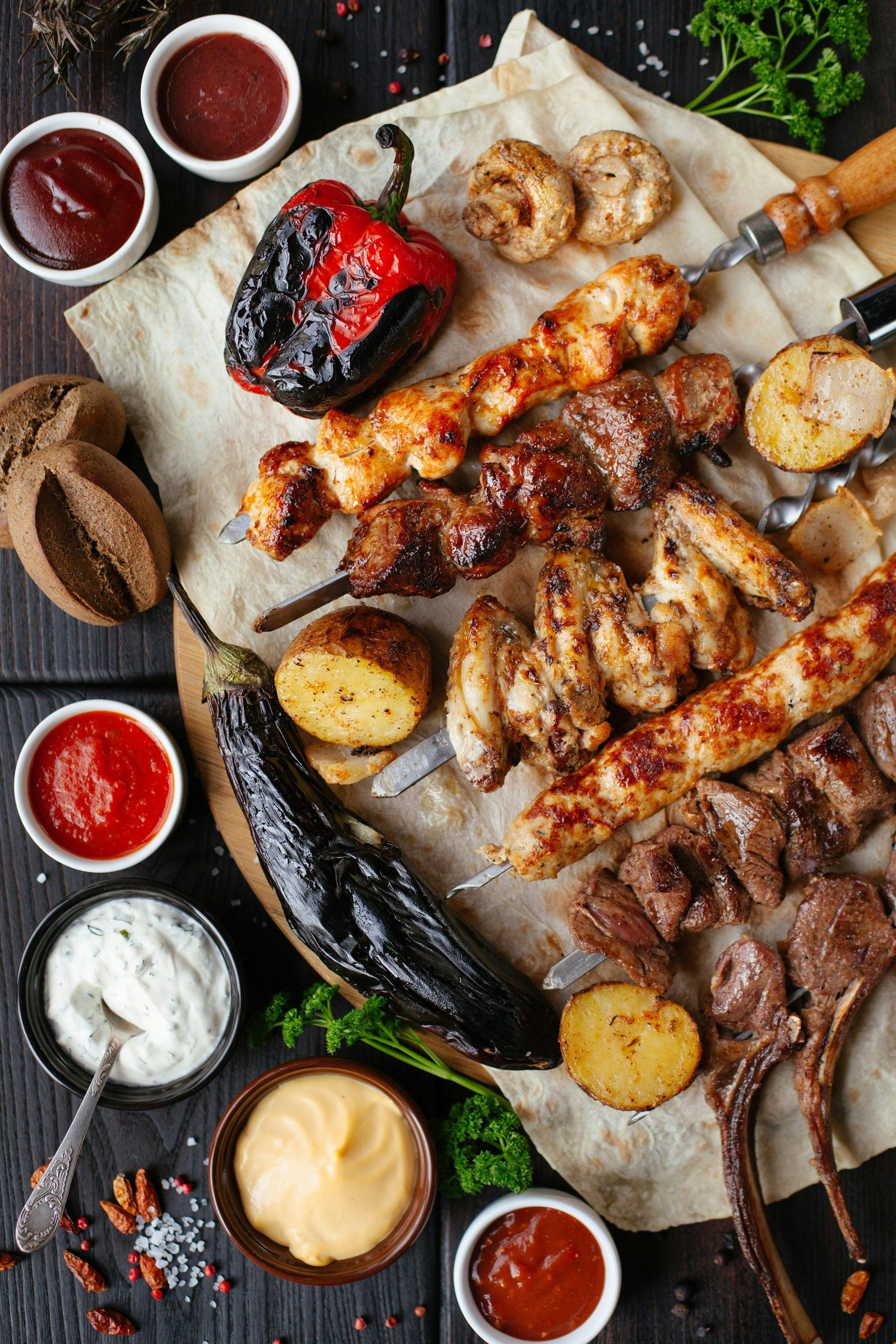
Then there are the dishes where the effect is immediate, almost instinctive: meats, grilled dishes, mushrooms, grilled vegetables. The intense fruity oil adds that final touch that makes you want another bite, because it brings freshness and depth at the same time.
And yes, it is always worth saying: if you want to really understand what an intense fruity is, the simplest test is warm bread. Nothing else is needed. A drizzle of good oil, a pinch of salt, and that's it.
4When to use with caution
There are cases where the intense fruity risks being too much of a protagonist. Not because "it's not good," but because some dishes ask for delicacy and this oil, if abundant, can shift the balance.
If you are preparing something very soft and subtle — such as a super delicate white fish, a sweet mozzarella, a light cream that you want to keep velvety — you can still use it, but with a very light hand. In those dishes, the easiest choice is a medium or light fruity, while you keep the intense one for when you really want to feel the condiment.
5The trick to never make a mistake
The simplest secret is one: add it at the end of cooking.
When the dish is ready, when the heat makes the aromas rise, put a drizzle of oil and taste. It is a simple gesture, but it changes everything, because intense fruity (if it is good) has aromas that are part of the pleasure: cooking it too much or putting it "at random" can ruin that freshness.
Want to try the real deal?
You recognize a good intense fruity oil immediately: green aroma, full taste, clean finish.
Discover the selection in the shop →- 1.Beauchamp G.K. et al. (2005) — Phytochemistry: ibuprofen-like activity in extra-virgin olive oil. Nature
Un punto di non ritorno della documentata clinica nutrizionale dell'occidente europeo moderno e che vincola stretta, accademica ed inossidabile eziologia tra il famigerato raschio 'urticante' amaricante sensoriale organico alla vera misurazione oggettiva antinfiammatoria benefica in situ biologico.